
© Metroid franchise banner image
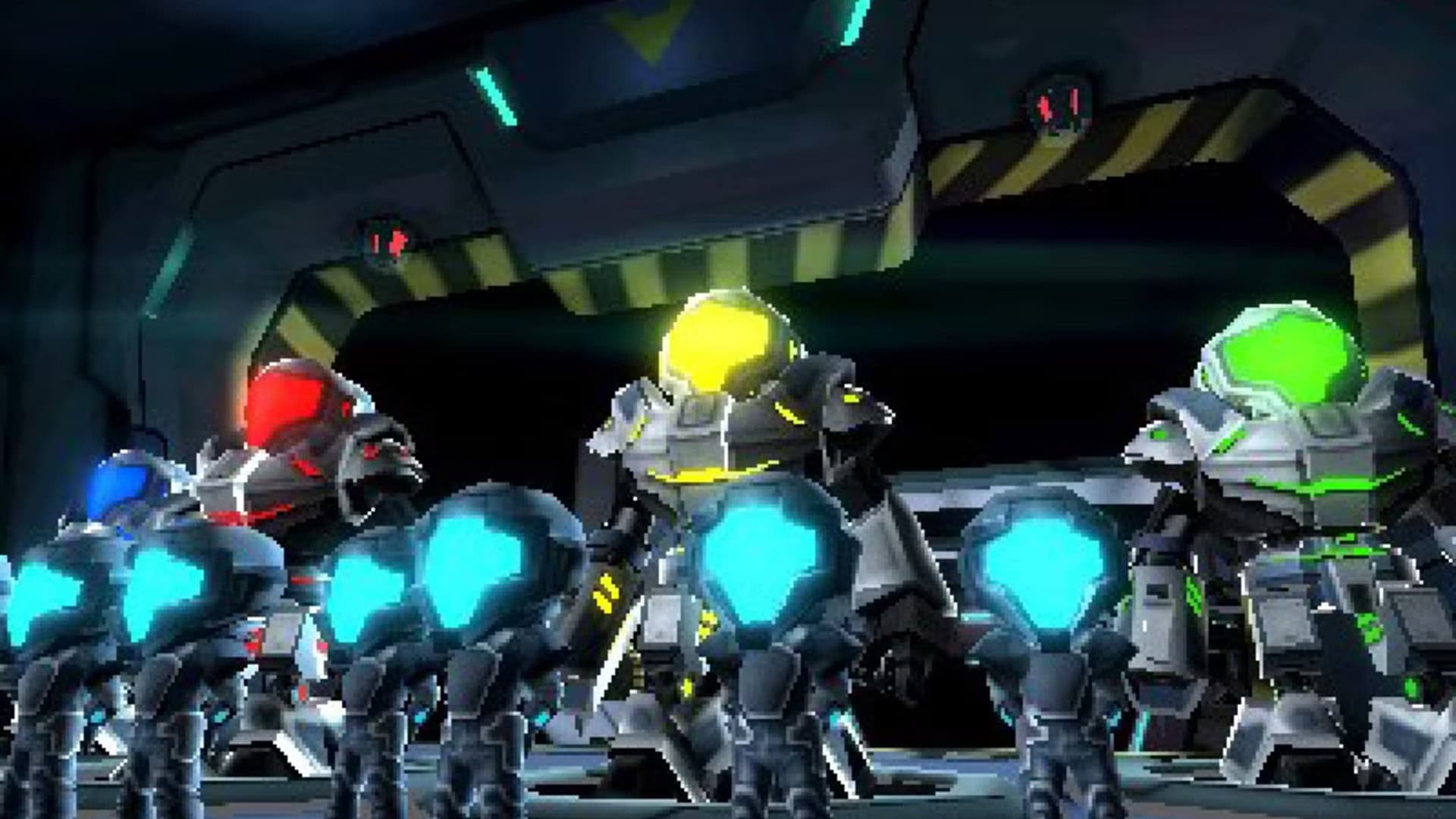
© Metroid Prime: Federation Force gameplay screenshot
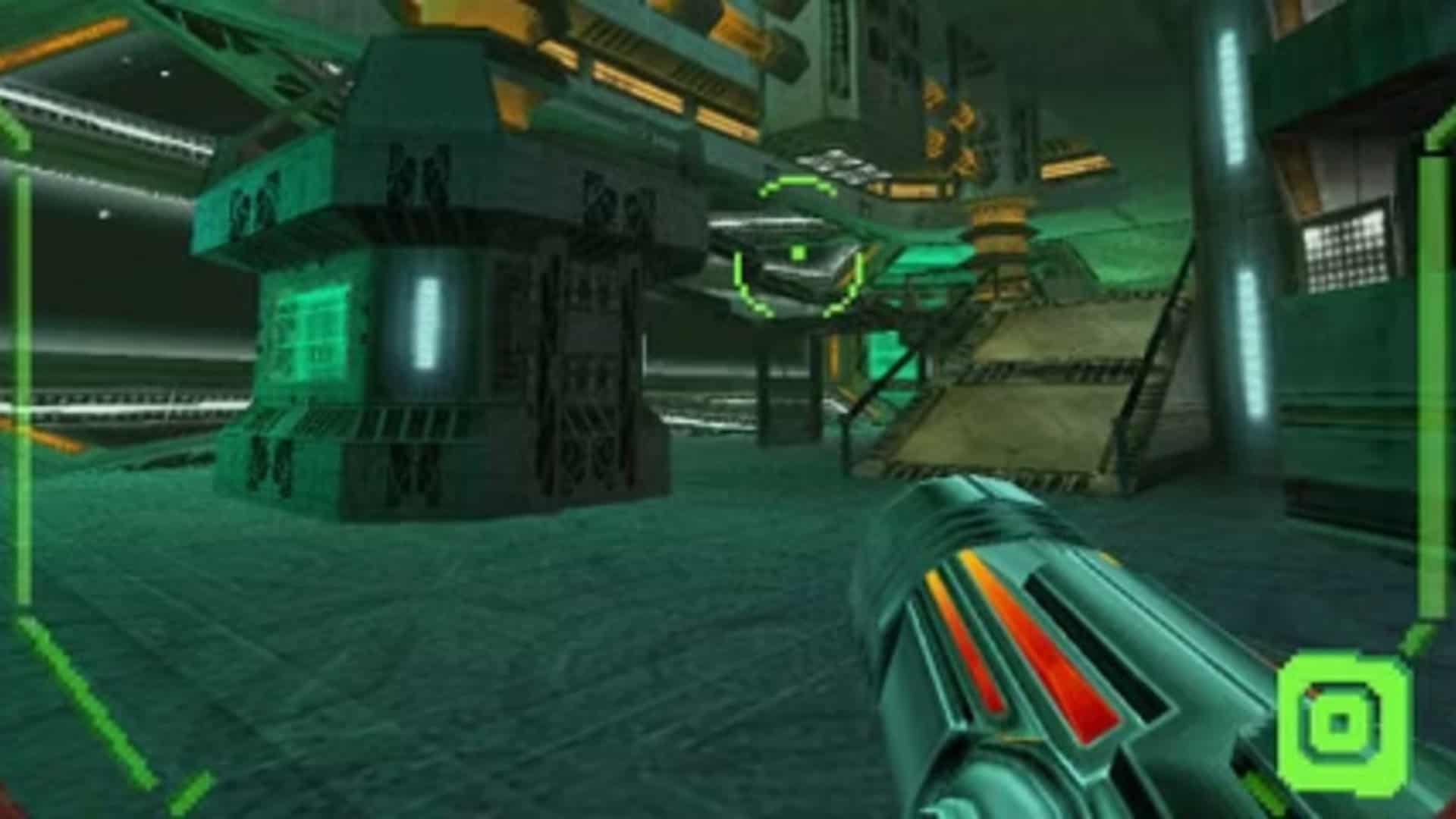
© Metroid Prime: Hunters gameplay screenshot
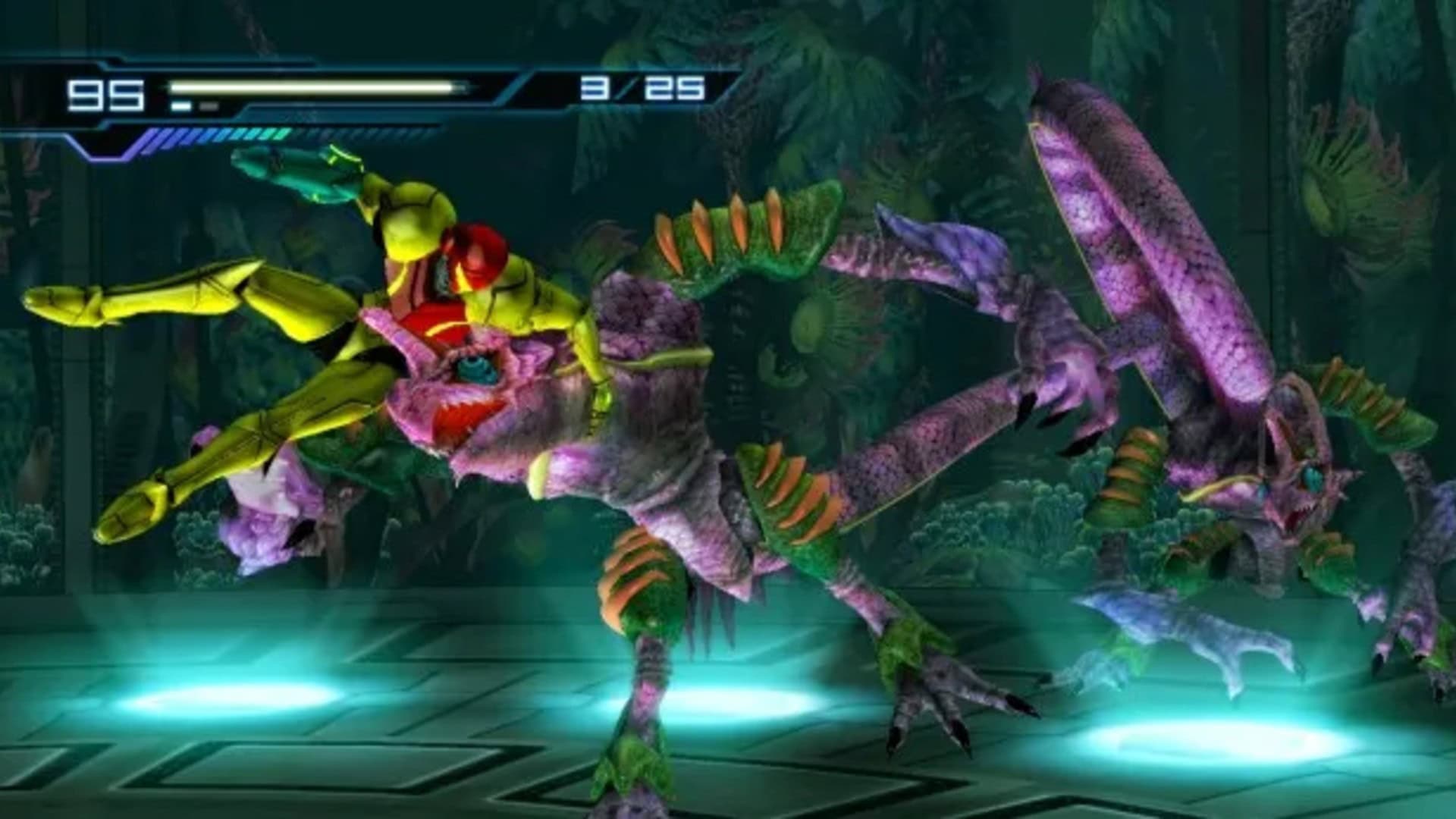
© Metroid: Other M gameplay screenshot
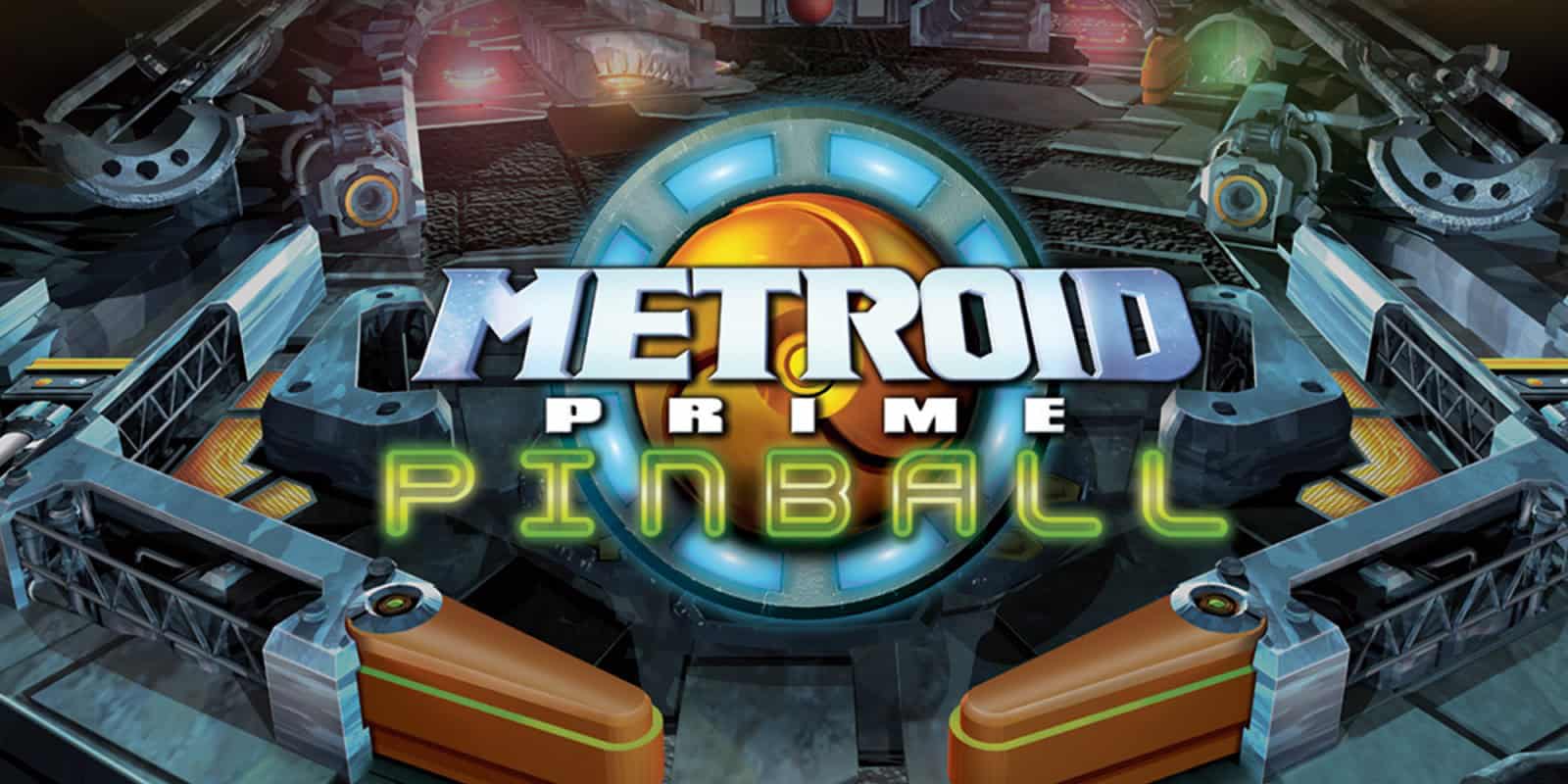
© Metroid Prime Pinball key art
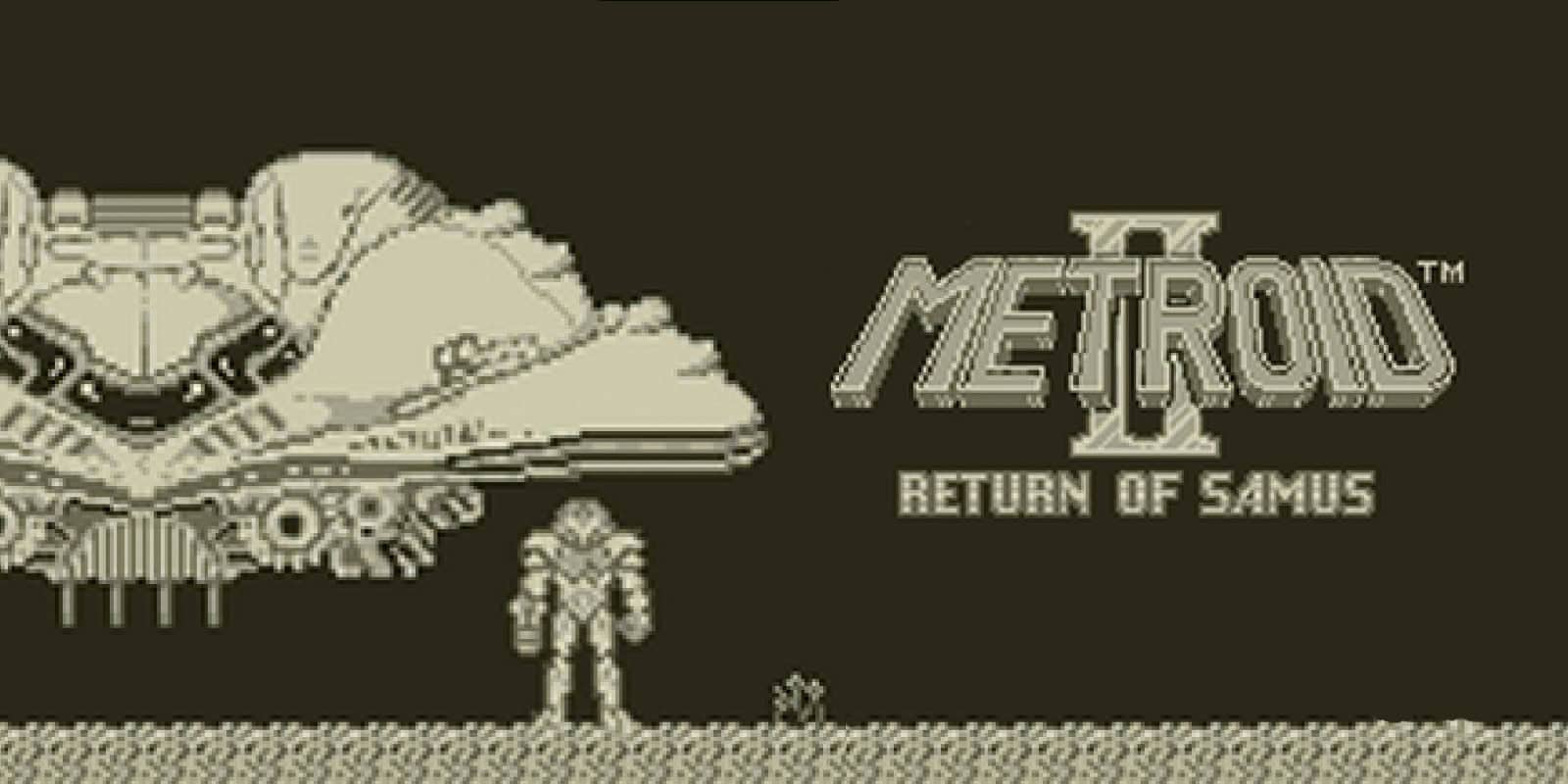
© Metroid II: Return of Samus gameplay screenshot
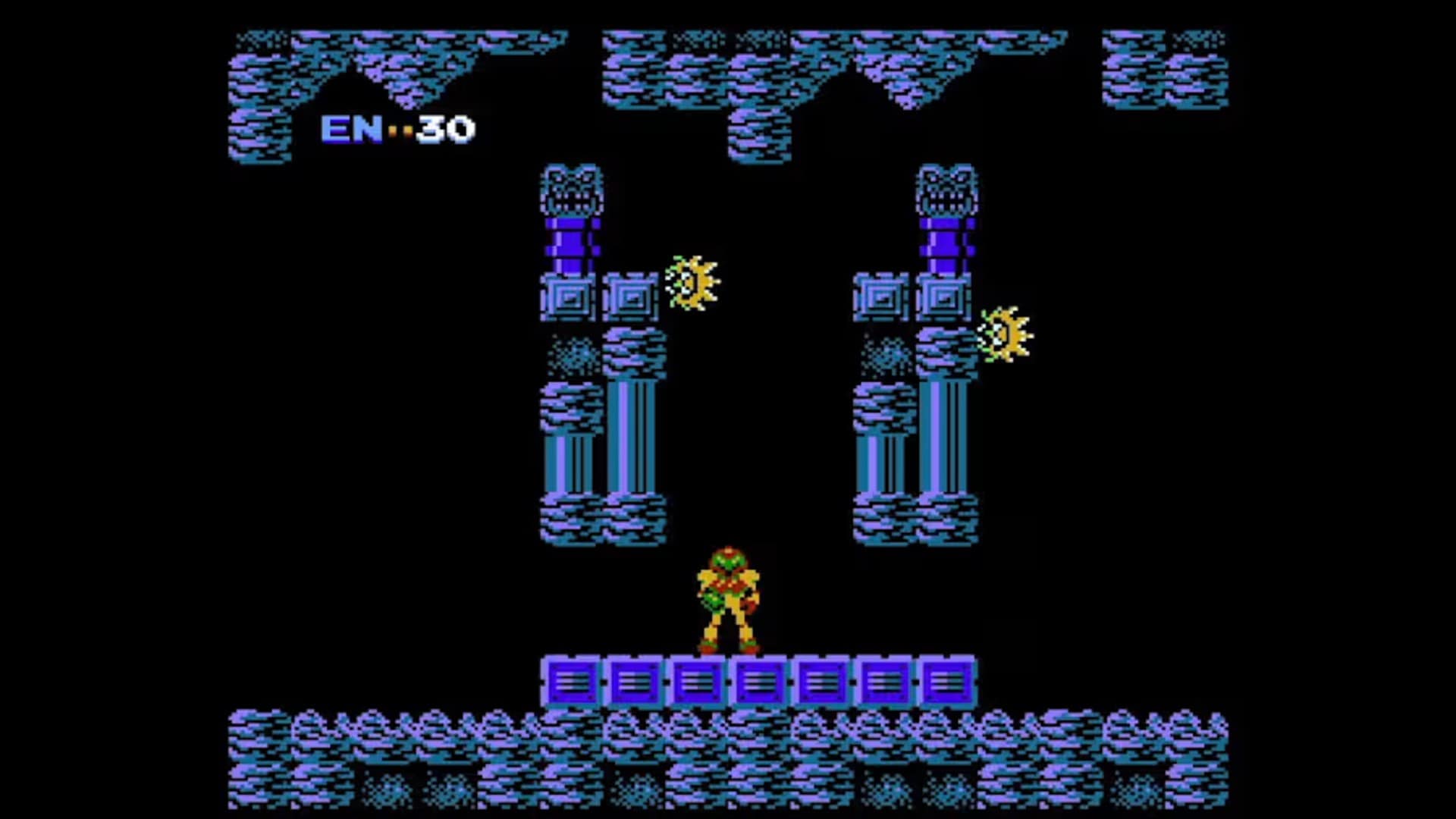
© Metroid gameplay screenshot
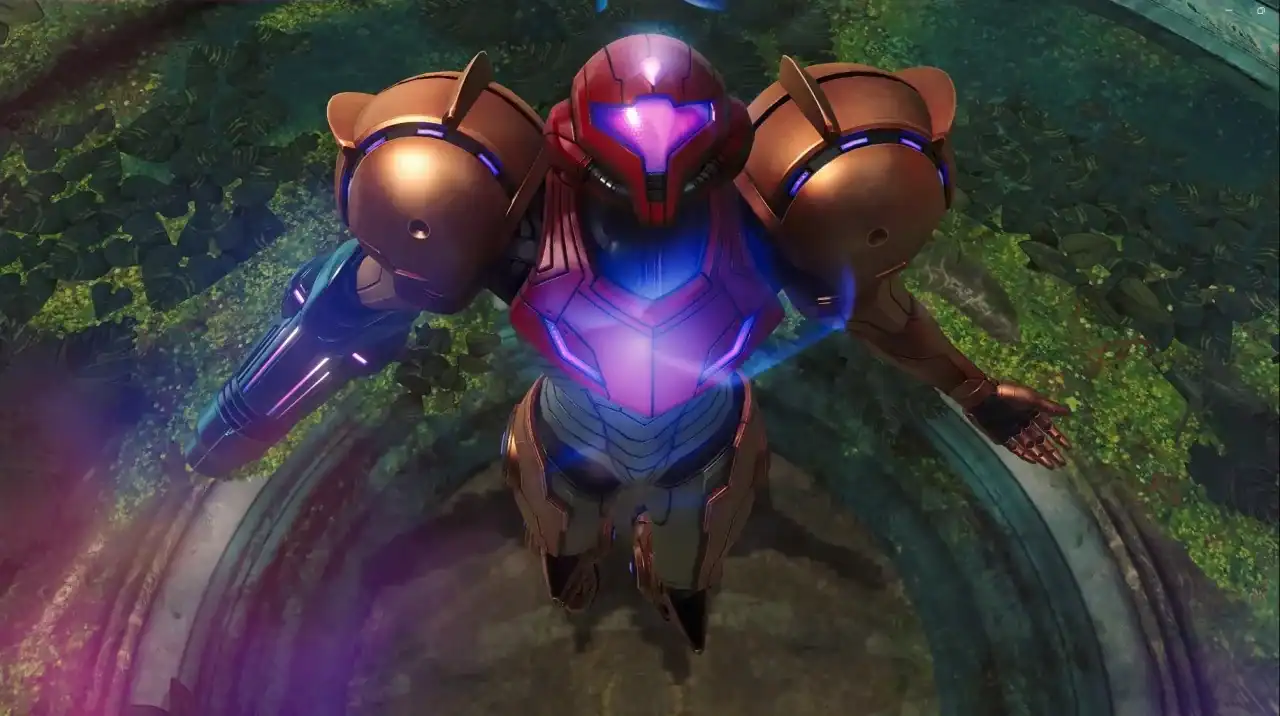
© Metroid Prime 4: Beyond gameplay screenshot
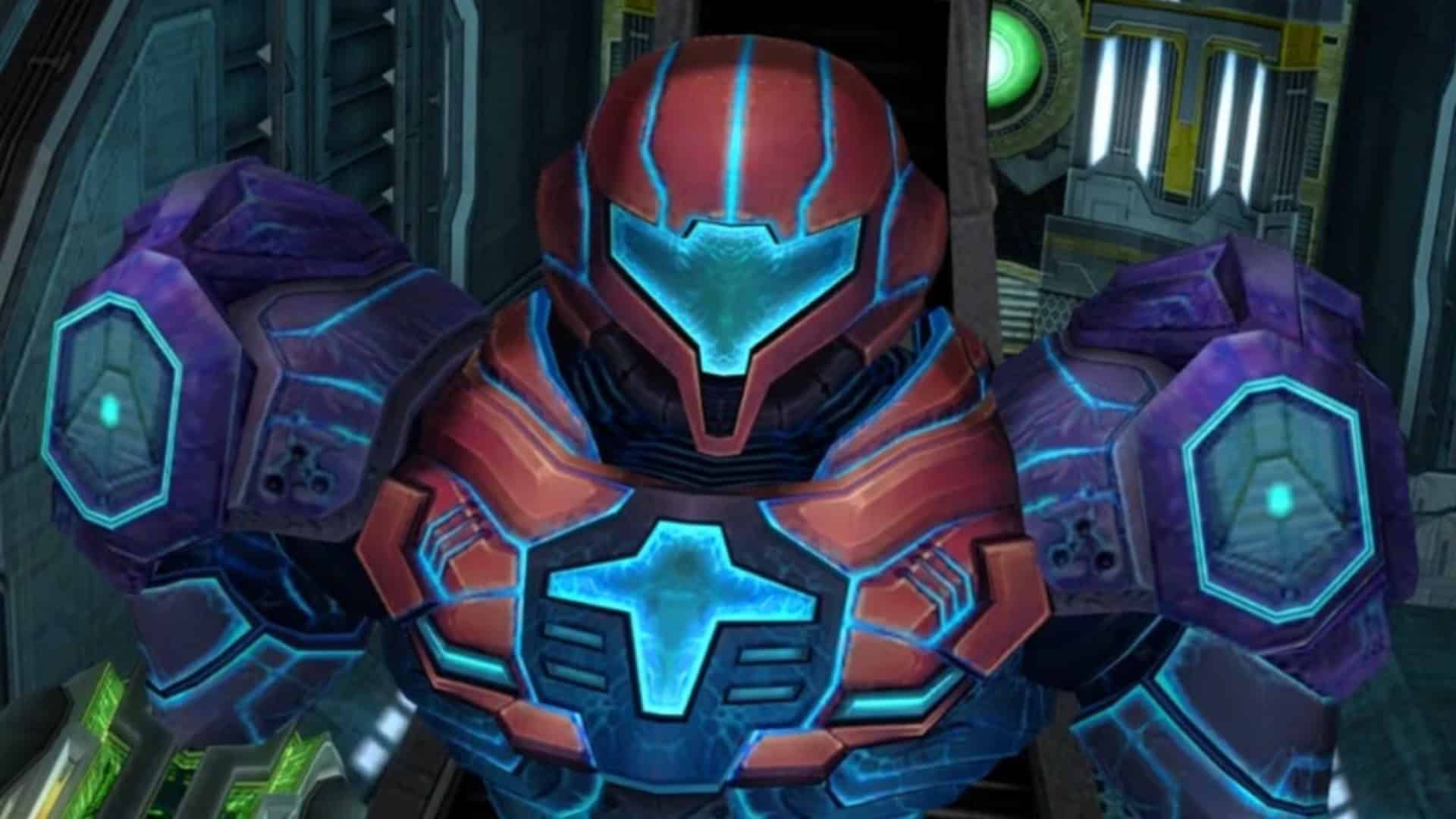
© Metroid Prime 2: Echoes gameplay screenshot
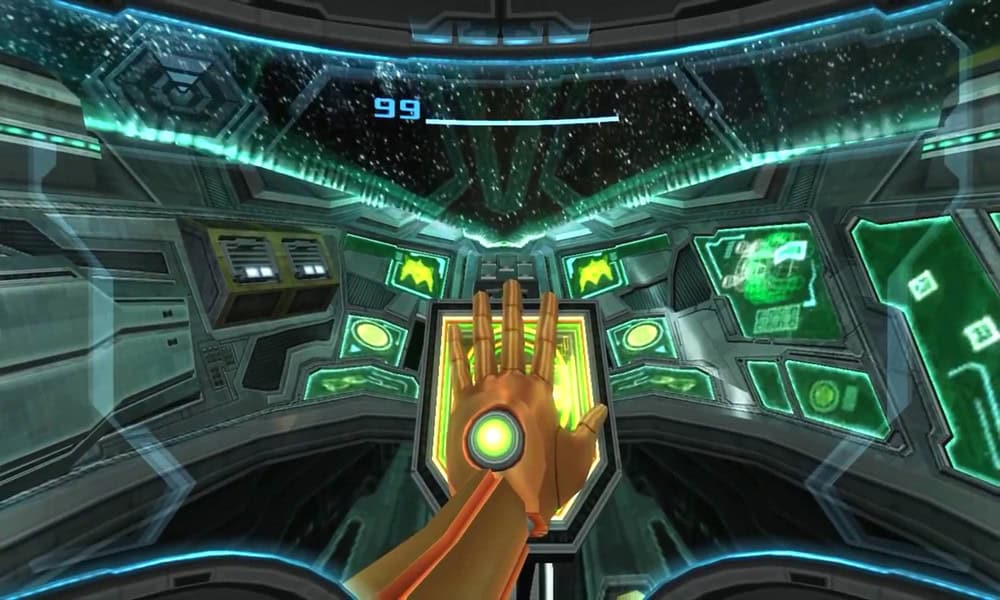
© Metroid Prime 3: Corruption gameplay screenshot
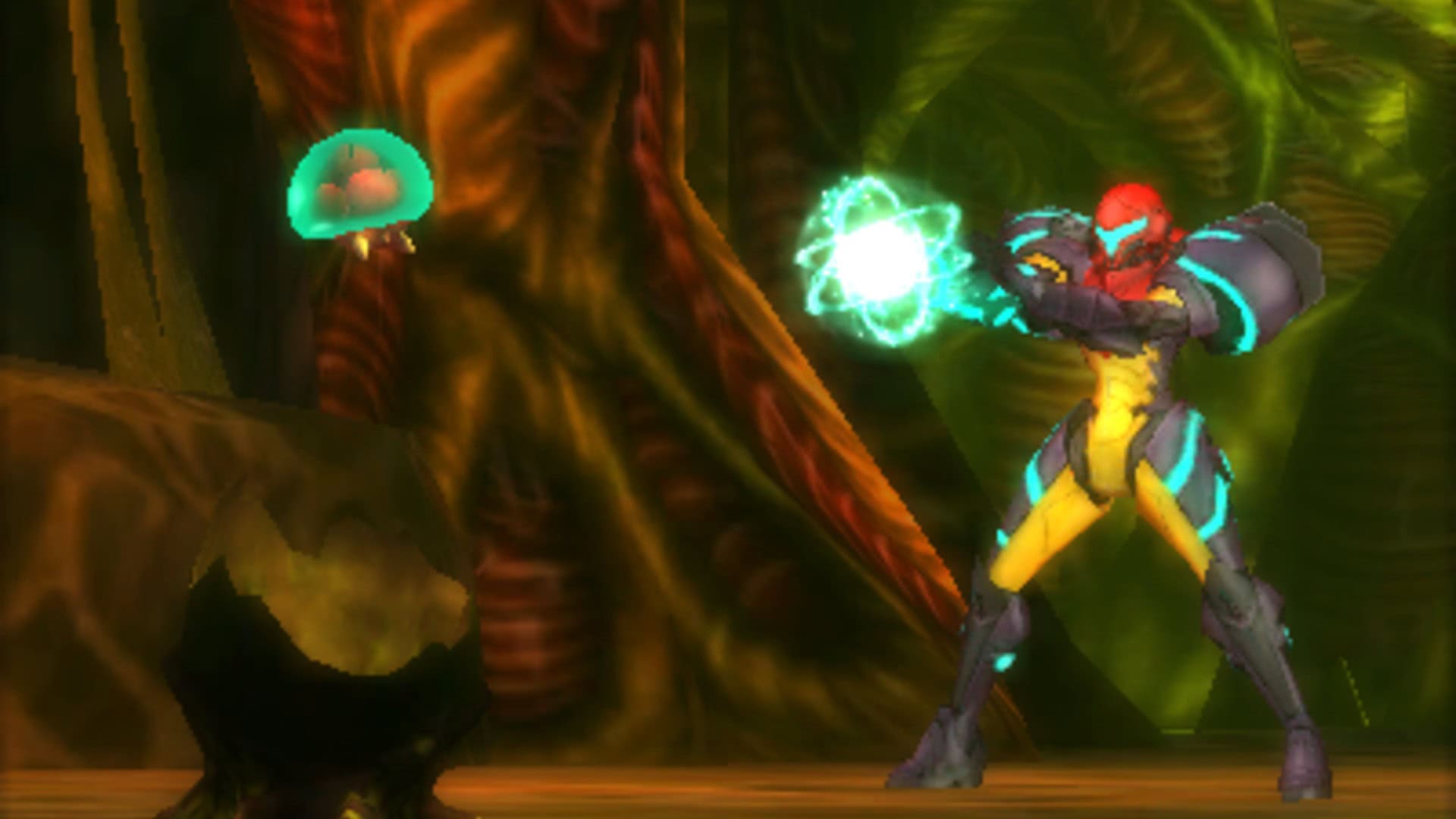
© Metroid: Samus Returns gameplay screenshot
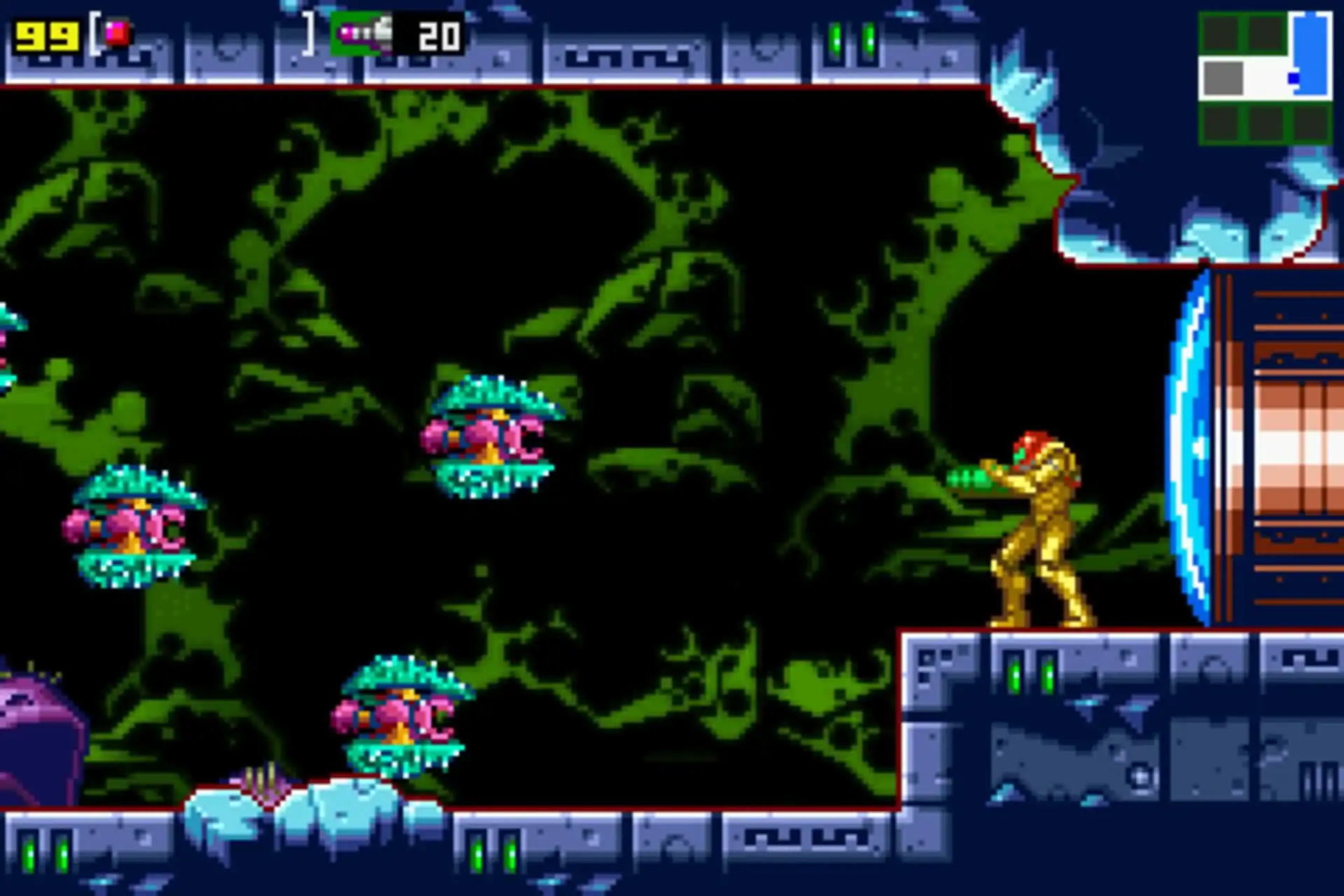
© Metroid: Zero Mission gameplay screenshot

© Metroid Dread gameplay screenshot

© Metroid Prime Remastered gameplay screenshot

© Metroid Fusion gameplay screenshot
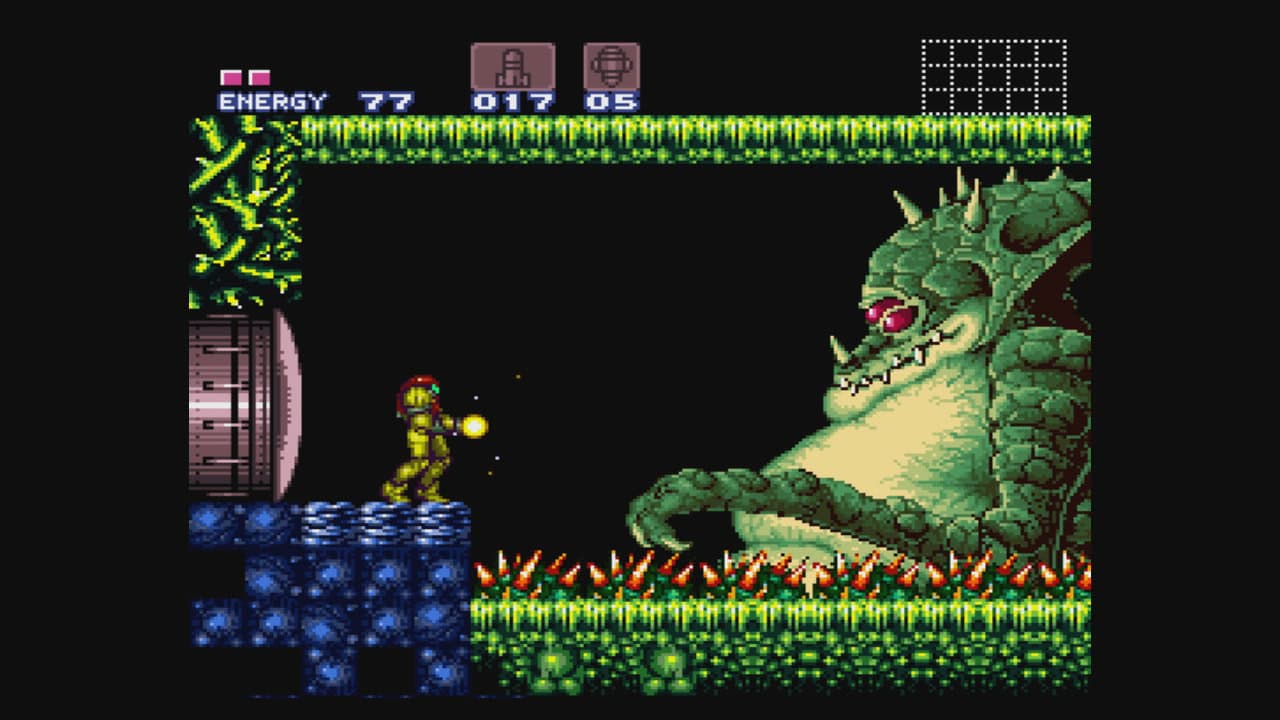
© Super Metroid gameplay screenshot
Ranking Every Game in the Metroid Series
After more than a decade in development, Metroid Prime 4: Beyond is here, it’s real, and the reception to it is…well, let’s say “mixed”. Some players have brought up some genuinely earned criticisms that shine light on Metroid Prime 4‘s troubled development, while others are happy just to have more of one of Nintendo’s most underrated and overlooked series. Whatever side of the fence you happen to sit on, chances are you might have Metroid on the brain right now, which makes it a perfect time to go back through and revisit each game in the series in a comprehensive ranking. Metroid has been an important first-party pillar for Nintendo since right after the launch of the NES, so it’s high time to take a shot at ranking every game in the series.
Metroid Prime: Federation Force
- Release Date — August 19, 2016
- Developer — Next Level Games
- Publisher — Nintendo
- Review Aggregate Score — 64% (Mixed or Average)
- Platforms — Nintendo 3DS
As you’ll soon see, most of the spin-offs in the Metroid franchise fall far short of stacking up to the playability and quality of the mainline entries, but that’s not for lack of trying. During one of the many droughts of new games in the Metroid series, Nintendo would often task contracted studios to make games utilizing the IP, with 2016 giving us the weakest game in the entire Metroid franchise: Metroid Prime: Federation Force. Aside from its surprising narrative connections to Metroid Prime 4, Federation Force is a mostly forgettable multiplayer-centric title in a traditionally single-player-focused series with dull gameplay and no real grasp on what makes the Metroid IP so beloved.
Metroid Prime: Hunters
- Release Date — March 20, 2006
- Developer — Nintendo Software Technology
- Publisher — Nintendo
- Review Aggregate Score — 85% (Generally Favorable)
- Platforms — Nintendo DS
As far as multiplayer-centric Metroid games go, Metroid Prime: Hunters is definitely the best, but that’s still not saying much. To be fair, it does a good job of implementing some decent enough first-person shooting on the DS using the touch screen and stylus, and it features both competitive multiplayer deathmatch (which is actually pretty fun), along with a fairly decent single-player campaign. Unfortunately, Metroid Prime has always shone brightest as a 3D Metroidvania rather than an honest-to-goodness first-person shooter, and attempting to make a pure FPS experience in the Metroid Prime universe with Hunters only exposes that side of its gameplay as not being strong enough to carry a full title.
Metroid: Other M
- Release Date — August 31, 2010
- Developer — Team Ninja, Nintendo SPD
- Publisher — Nintendo
- Review Aggregate Score — 79% (Generally Favorable)
- Platforms — Wii
Phew, where to begin with Metroid: Other M…For starters, if you strip away the actual gameplay from the way the game’s story and characters are handled, you’re actually left with a very competent action-forward Metroid experience. Team Ninja did a good job creating its own take on the Metroid formula that worked surprisingly well, even if it was a little linear. Unfortunately, it’s impossible to play Metroid: Other M without also suffering through its terrible characterization of Samus and its wholly lackluster story, which nearly undoes any of the interesting story developments that came about in the series between the 2D sequels to Super Metroid and Samus’ backstory in Metroid Prime.
Metroid Prime Pinball
- Release Date — October 24, 2005
- Developer — Fuse Games
- Publisher — Nintendo
- Review Aggregate Score — 79% (Generally Favorable)
- Platforms — Nintendo DS
Easily the best of the Metroid spin-offs, Metroid Prime Pinball is exactly what it says on the tin: a pinball game where each of the tables uses environments and designs from Metroid Prime and Metroid Prime 2: Echoes. Your pinball? Why, that’s Samus in Morph Ball form, of course. It all sounds silly, but Metroid Prime Pinball is both a use of the IP that actually kind of fits within the context of the rest of Samus’ adventures, one that just so happens to also be a killer virtual pinball game. And with how well Metroid Prime Pinball both controls and utilizes the two screens of the DS, it’s surprising we never got a sequel on the 3DS.
Metroid II: Return of Samus
- Release Date — November 22, 1991
- Developer — Nintendo R&D 1
- Publisher — Nintendo
- Review Aggregate Score — 75% (Generally Favorable)
- Platforms — Game Boy
Given that Metroid was co-created by Game Boy inventor Gunpei Yokoi, it makes perfect sense that the first sequel in the franchise would make the jump to the then-new handheld. Metroid had been a bit of a hit on the NES, but not to nearly the same degree as either Super Mario Bros. or The Legend of Zelda. Rather than pour the resources into an NES sequel, Metroid II shifted to the Game Boy, and it actually made a slew of gameplay improvements that would carry over to the series’ eventual SNES debut. Going back and playing through Metroid II now is a bit rough after decades of Metroidvania innovation (especially its total lack of a map), but it was a critical stepping stone toward what stands as the series’ crowning achievement.
Metroid
- Release Date — August 6, 1986
- Developer — Nintendo R&D 1, Intelligent Systems
- Publisher — Nintendo
- Review Aggregate Score — 84% (Generally Favorable)
- Platforms — NES
It might be a surprise to see the original Metroid this high up on a ranking of every game in the series, if for no other reason than that it just doesn’t hold up as well as its contemporaries in hindsight. Where both the original Super Mario Bros. and Legend of Zelda games are timeless classics that are just as enjoyable today as they were nearly 40 years ago, Metroid is a different story. It’s an incredibly important game that brought the non-linear action-platformer to a mainstream audience, sure, but it’s also slow, hard to control, incredibly obtuse, and a bit of a chore to get through. But for those of us who grew up in an era where we got lost in its labyrinthine hallways and made maps out of graph paper to chart our adventure, it served as a foundational experience in forming our gaming tastes.
Metroid Prime 4: Beyond
- Release Date — December 4, 2025
- Developer — Retro Studios
- Publisher — Nintendo
- Review Aggregate Score — 80% (Generally Favorable)
- Platforms — Nintendo Switch, Switch 2
As mentioned up top, Metroid Prime 4 has ultimately turned out to be a bit of a disappointment compared to what players were hoping for after nearly 20 years between games in the series. The decision to implement aspects that seemingly run counter to the Metroid series (linear exploration, a semi-open world hub area, “helpful” NPCs) makes Metroid Prime 4 feel like more of what players got in Metroid Prime 3, but now with a bunch of content tacked on that no one asked for. And in an era where both Super Mario Bros. and The Legend of Zelda‘s recent mainline entries have pushed the envelope for those franchises, it’s not unfair to expect the same of Metroid. Metroid Prime 4 isn’t a bad game by any stretch, but it’s also the weakest of the Prime titles.
Metroid Prime 2: Echoes
- Release Date — November 15, 2004
- Developer — Retro Studios
- Publisher — Nintendo
- Review Aggregate Score — 92% (Universal Acclaim)
- Platforms — GameCube
Eking out a lead just ahead of Metroid Prime 4 is Metroid Prime 2: Echoes, which, despite garnering plenty of critical praise at the time of its release, is now mostly looked back on as being a sequel that took a step back from its predecessor. Echoes does implement some really interesting mechanics, especially the ability to shift between two planes of reality for puzzle-solving and combat, but its pacing issues take sections that could have been fun dalliances and turn them into a frustrating slog that artificially pads out the game’s length. If there’s any justice in the world, we’ll get remasters of both Prime 2 and Prime 3 on the Switch and Switch 2 so that both can get a proper critical reevaluation.
Metroid Prime 3: Corruption
- Release Date — August 27, 2007
- Developer — Retro Studios
- Publisher — Nintendo
- Review Aggregate Score — 90% (Universal Acclaim)
- Platforms — Wii
Speaking of the initial Prime trilogy, Metroid Prime 3 is often placed behind Prime 2 in a ranking like this, but it’s arguably the better game. It’s been long enough since its release that most players forget Prime 3 established some of the gameplay elements from Metroid Prime 4 long before, including having long stretches of explorable content between the game’s main areas (which could constitute dungeons, of a sort). And the switch to the Wii Remote and Nunchuck for controlling Samus in Prime 3 was a major improvement from using a controller, to the point where Nintendo went back and added that functionality to the other games for Metroid Prime Trilogy on the Wii. It’s just a shame that we had to wait nearly 20 years for the next game in the series.
Metroid: Samus Returns
- Release Date — September 15, 2017
- Developer — MercurySteam
- Publisher — Nintendo EPD
- Review Aggregate Score — 85% (Generally Favorable)
- Platforms — Nintendo 3DS
It says a lot about the replayability of the first two games in the Metroid series that both of their remakes rank way higher on a list charting the best titles in the franchise. Metroid: Samus Returns is a brilliant reimagining of Metroid II: Return of Samus that adds in several Metroidvania staples that the original is missing, including an incredibly useful map. But more than just a great remake, Samus Returns was the precursor to developer MercurySteam getting the chance to craft an original 2D game in the Metroid series, which also saw the studio carrying over many of this 3DS game’s best ideas. Without Samus Returns being as fantastic as it is, we might never have gotten the modern masterpiece that’s Metroid Dread.
Metroid: Zero Mission
- Release Date — February 9, 2004
- Developer — Nintendo R&D 1
- Publisher — Nintendo
- Review Aggregate Score — 89% (Generally Favorable)
- Platforms — GBA
As good as Metroid: Samus Returns is, it’s a less dramatic improvement over its source material than Metroid: Zero Mission is for the original Metroid. Zero Mission imagines what the team at Nintendo R&D 1 might have made if it had used the design sensibility and technology of Super Metroid to remake the original Metroid, transforming a game that hadn’t aged well (even by then) into an unmissable title on the Game Boy Advance. If we judge video game remakes on whether they’re necessary, you could argue that Zero Mission was one of the best of all time, taking a game that was nigh unplayable by modern standards and turning it into one of the best Metroidvania titles of the era.
Metroid Dread
- Release Date — October 8, 2021
- Developer — MercurySteam, Nintendo EPD
- Publisher — Nintendo
- Review Aggregate Score — 88% (Generally Favorable)
- Platforms — Nintendo Switch
The return of the Metroid series to 2D is something that millions of longtime fans had been asking for for years, and in 2021, those same players finally got their wish with the incredible Metroid Dread. Gameplay-wise, Metroid Dread picks up where MercurySteam left off with Samus Returns, but it also borrows heavily from Metroid Fusion to deliver one of the more surprisingly horror-leaning games in the entire Metroid franchise. It also serves up a thrilling conclusion to the story arc that began in the original Metroid, giving players incredible, revelatory insights about Samus’ history and past that set the stage for an epic final confrontation that leaves the future of the franchise wide open.
Metroid Prime
- Release Date — November 18, 2002
- Developer — Retro Studios
- Publisher — Nintendo
- Review Aggregate Score — 97% (Universal Acclaim)
- Platforms — GameCube, Nintendo Switch (Remastered)
As incredible as Metroid Dread is, it still falls just short of the greatness of the best three games in the Metroid series, the first of which is Metroid Prime. At a time when most major first-party Nintendo franchises had successfully transitioned to 3D, the idea of a 3D Metroid seemed strange. After all, this was a series that was built on non-linear exploration, platforming, and gated progression. Throwing those things into a first-person shooter just wasn’t something that was done back in 2002. But not only did Retro Studios successfully merge 3D FPS gaming with the classic elements of a Metroid title, they did so with style. Between the original and Metroid Prime Remastered, we have a time capsule of the series’ transition to 3D that stands side-by-side with the likes of Super Mario 64 and The Legend of Zelda: Ocarina of Time.
Metroid Fusion
- Release Date — November 18, 2002
- Developer — Nintendo R&D 1
- Publisher — Nintendo
- Review Aggregate Score — 92% (Universal Acclaim)
- Platforms — GBA
Were it not for the simple fact that Fusion both borrowed heavily from Super Metroid and acted as a direct follow-up to it, it could easily take the top spot for the best game in the Metroid series. This horror-leaning adventure saw Samus placed in her most vulnerable position yet, going from bounty hunter to hunted as she avoided the deadly X Parasite. That cat-and-mouse game weaves itself seamlessly into what’s already an incredible Metroidvania experience to deliver the best game on the Game Boy Advance. You could even point to Metroid Fusion and the GBA-era Castlevania games as being the vehicle that brought the genre to an audience of prospective creators who are currently leading the charge for the ongoing Metroidvania renaissance.
Super Metroid
- Release Date — March 19, 1994
- Developer — Nintendo R&D 1, Intelligent Systems
- Publisher — Nintendo
- Review Aggregate Score — 97% (Universal Acclaim)
- Platforms — SNES
Like both Super Mario World and The Legend of Zelda: Link to the Past, Super Metroid is a near-perfect 16-bit evolution of the timeless NES classic that preceded it, to the point where it still serves as the foundation of not just every subsequent 2D game in the series, but of an entire genre. There were proto-Metroidvania games well before the original Metroid, but no one game served as the blueprint for what would come after until Super Metroid arrived in 1994. It’s a perfectly-paced adventure that brings Samus back to the setting of the original game, ties in an emotional and heartfelt story, has a hauntingly beautiful atmosphere, and features some of the most rewarding exploration, combat, and progression in the series. If a game could ever truly be called “perfect”, Super Metroid is probably it.
The image featured at the top of this post is ©Metroid franchise banner image / Original